
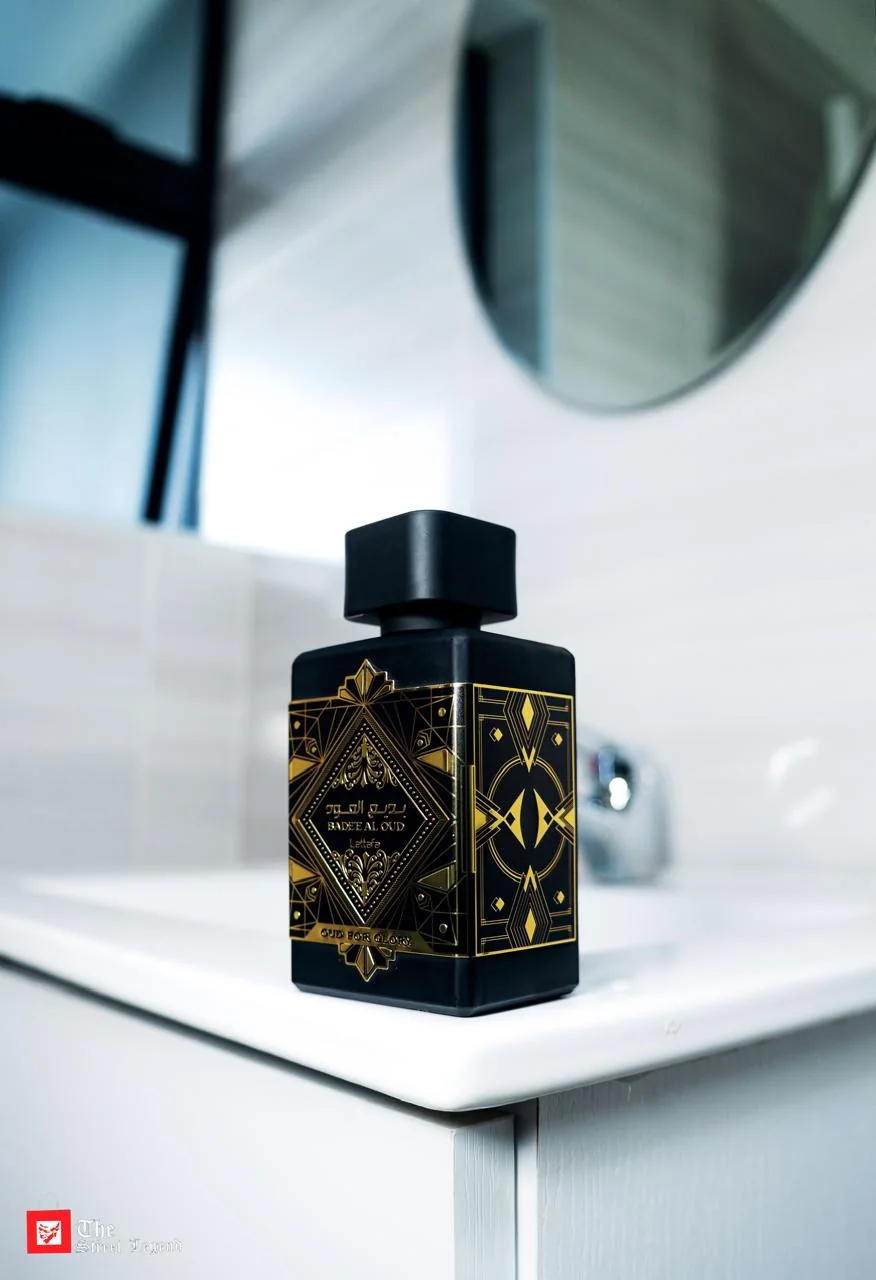
Perfume becomes more interesting when you know what sits behind the notes written on the label. Oud, amber, spice, musk and florals are not just marketing language. They are part of a history of trade, ritual and craftsmanship that stretches across regions and generations. When someone chooses a fragrance built around those notes, they are also stepping into a larger story.
Oud is one of the most recognised examples. It comes from agarwood, a resinous heartwood formed when certain trees respond to a natural infection. The scent is prized because it is layered and hard to imitate fully. It can feel smoky, leathery, sweet, medicinal or smooth depending on how it is blended. In many fragrance traditions, oud is associated with luxury, ceremony and deep presence.
Amber is slightly different because it usually refers to an accord rather than a single raw material. It often combines warmth from vanilla, resins, labdanum and soft balsamic notes. The result is a golden, comforting richness that rounds out sharper ingredients and gives a perfume its glow. Add spice such as cinnamon, saffron or cardamom, and the fragrance begins to feel both familiar and dramatic at the same time.
Knowing the origin of a note does not mean fragrance has to become technical. It simply deepens appreciation. A bottle stops feeling anonymous and begins to feel deliberate. For the Street Legend journal, that is the point: to help scent lovers connect style, memory and the raw materials that shape both.