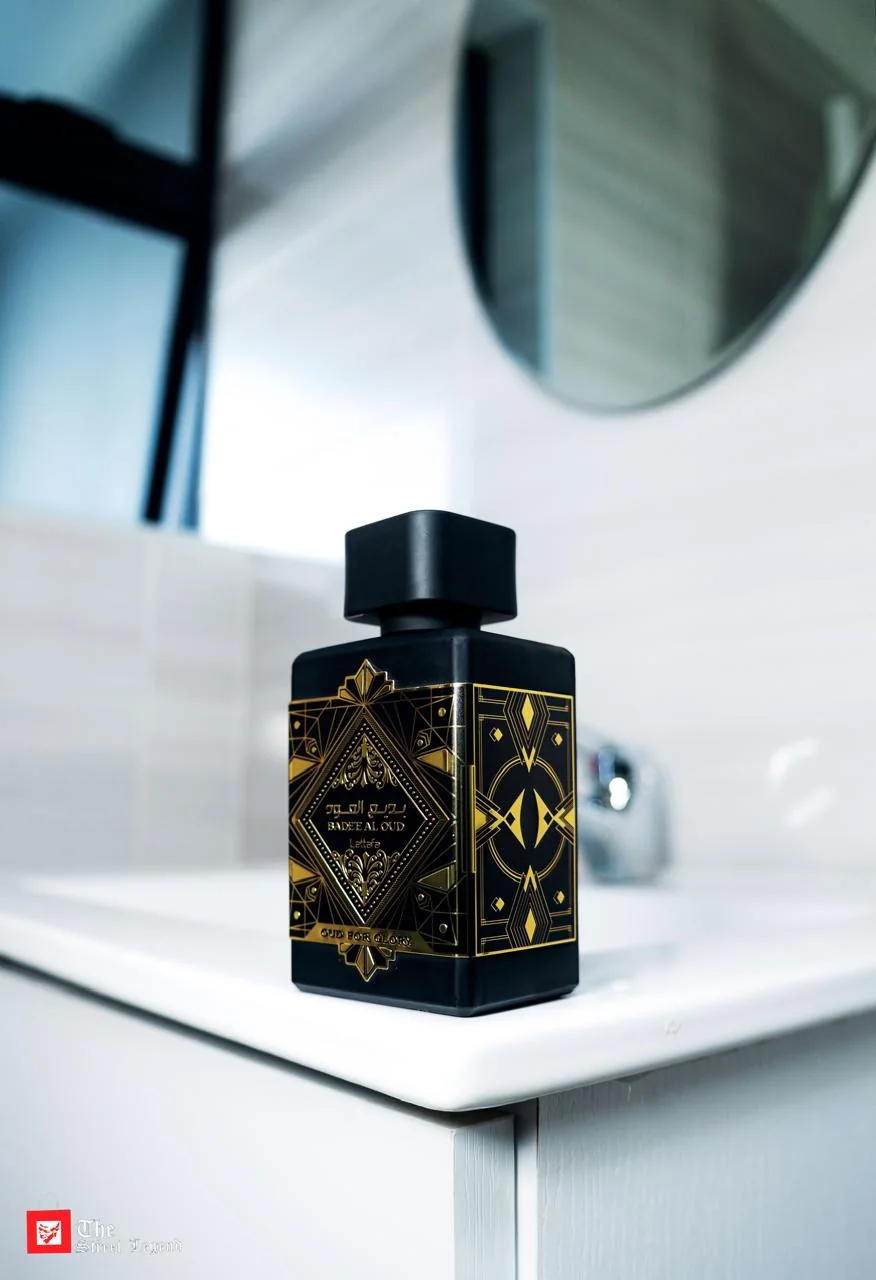
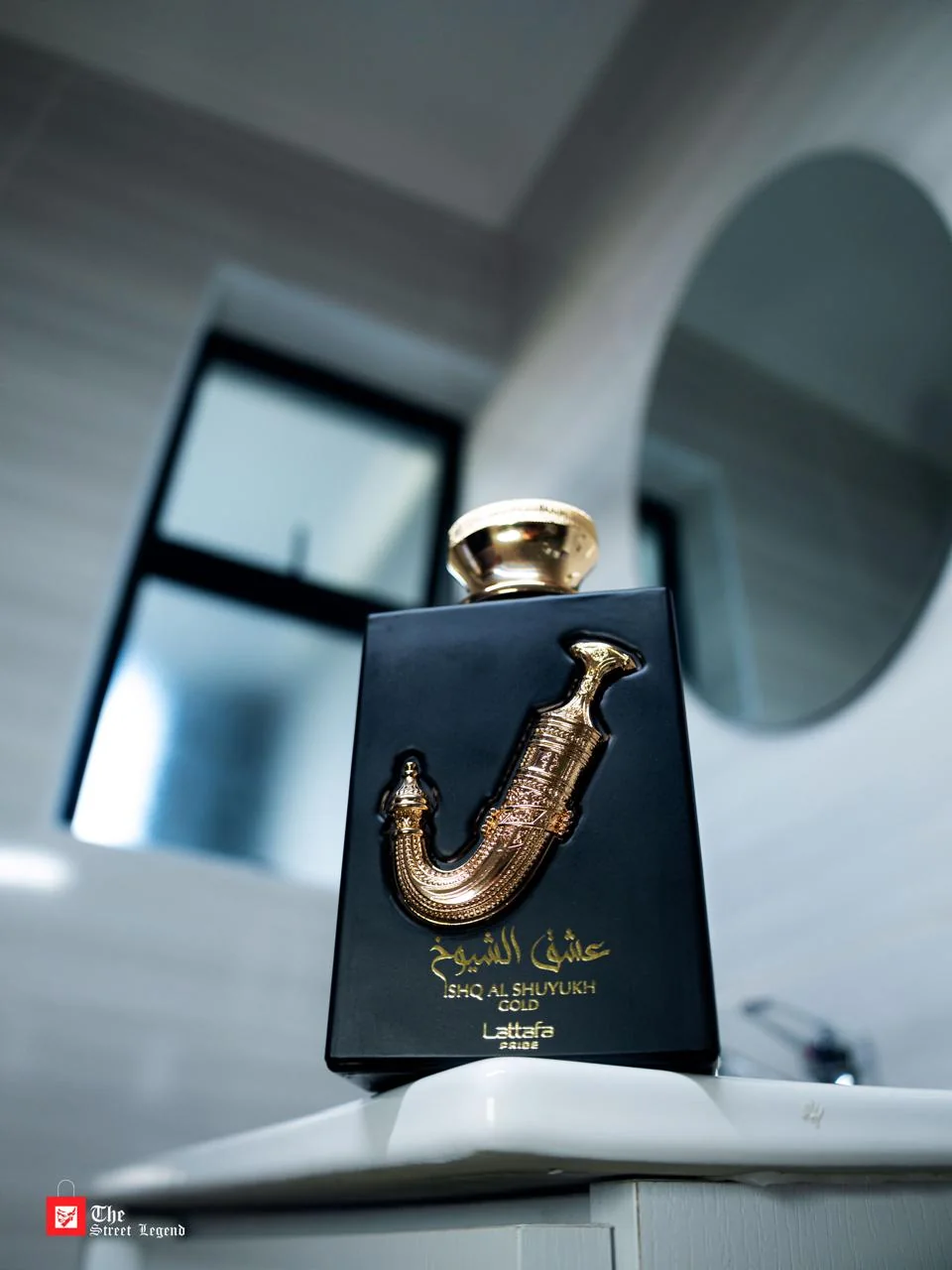
Oud is often introduced as an intense fragrance note, yet that description only tells a fraction of the story. The wood from which natural oud is derived has been valued across parts of Asia and the Middle East for generations. In modern perfumery, the word oud can describe natural agarwood ingredients, reconstructed accords or blends that capture some of its distinctive character. The result is a wide family of scents rather than one single smell.
Some oud fragrances open with dry woods and smoke. Others lean into sweetness, softened by vanilla or amber, while some pair oud with rose, spices or a clean musky base. None of those approaches is automatically better. Your preference depends on what feels comfortable against your skin and the places you plan to wear it. If you are new to oud, a softer, more balanced blend can be easier to live with than an extremely resinous one.
A useful way to test is to spray once, then allow the fragrance to settle. Notice the opening, but pay special attention to the next hour: the dry-down often reveals the wood, sweetness and warmth more clearly. If possible, revisit the fragrance over a full day before deciding whether it belongs in your regular rotation.
The best introduction to oud is curiosity, not pressure. A fragrance should feel personal. Whether you prefer a warm everyday scent or a more dramatic evening option, your first oud should make you want to discover its layers rather than simply announce how powerful it is.